

What Is Included in Deep Cleaning: Complete Guide
Table of Contents
- What Is Included in Deep Cleaning
- Deep Cleaning vs. Standard Cleaning: What Sets Them Apart
- Kitchen Deep Cleaning Tasks
- Bathroom Deep Cleaning: High-Touch Surfaces and Grout
- How Long Does a Deep Clean Take
- Deep Cleaning Checklist 2026: Room-by-Room Breakdown
- Tools and Supplies You’ll Need
- Health and Allergen Benefits of Deep Cleaning
- Frequently Asked Questions
Last Updated: September 30, 2026
What Is Included in Deep Cleaning
Deep cleaning goes far beyond your regular maintenance routine. It’s a comprehensive, room-by-room sanitization that targets areas most people overlook during weekly tidying. When you understand what is included in deep cleaning, you can assess whether your home needs this level of attention or plan for it strategically throughout the year.
The distinction matters because deep cleaning requires different tools, more time, and a different approach than standard maintenance. Homeowners often underestimate how much buildup accumulates in spaces they use every day. Dust settles on ceiling fans, grout absorbs moisture and mildew, and appliance interiors become breeding grounds for bacteria. A proper deep clean addresses all of these.
The Core Difference: Maintenance vs. Deep Sanitization
Regular cleaning maintains visible cleanliness. You vacuum floors, wipe counters, and dust surfaces once or twice weekly. Deep cleaning, by contrast, involves sanitization and degreasing of areas that don’t get regular attention. It includes scrubbing grout lines, cleaning behind appliances, removing cobwebs from corners, and disinfecting high-touch surfaces with intensive methods.
The health difference is real. High-touch surfaces like doorknobs, light switches, and bathroom fixtures harbor bacteria and viruses (the CDC). Standard cleaning doesn’t eliminate them, deep cleaning does. Similarly, grout in bathrooms and kitchens traps moisture and promotes mold growth. A surface wipe won’t solve that; you need actual scrubbing with appropriate cleaners.
Most people schedule deep cleaning seasonally or when moving into a new home. Some do it quarterly. The frequency depends on household size, pets, allergies, and how much foot traffic your home sees. Families with young children or pets often benefit from deep cleaning every three months.
Deep Cleaning vs. Standard Cleaning: What Sets Them Apart
Understanding what is included in deep cleaning means seeing the specific differences from regular maintenance.
Regular Cleaning Focus
Standard cleaning targets visible dirt and maintains basic hygiene. A typical weekly or biweekly cleaning includes vacuuming carpets, sweeping hard floors, wiping kitchen counters and appliance exteriors, cleaning bathrooms (toilet, sink, shower), dusting furniture and shelves, and spot-cleaning obvious spills or marks.
Regular cleaning keeps your home presentable and prevents surface-level grime from building up. It’s essential for daily living. However, it doesn’t address the accumulation that happens over weeks and months in areas people rarely see or think about.
Deep Cleaning Scope
Deep cleaning encompasses everything in regular cleaning plus extensive work in overlooked areas. This includes cleaning behind and under major furniture, scrubbing baseboards and trim throughout the home, removing dust from ceiling fans and light fixtures, degreasing kitchen appliances inside and out, scrubbing grout and tile in bathrooms, sanitizing high-touch surfaces with disinfectants, and addressing areas where dust and allergens accumulate.
The scope is broader because the goal is different. You’re not just maintaining appearance, you’re reducing allergens, eliminating bacteria, and restoring spaces to a deeply clean state. This is particularly important for households with allergies, asthma, or immune concerns.
Kitchen Deep Cleaning Tasks
The kitchen is where deep cleaning delivers the most visible transformation. Food residue, grease, and bacteria accumulate faster here than anywhere else in the home.
Appliance Interior Detailing
Your oven, refrigerator, and dishwasher need interior attention during a deep clean. The oven interior collects grease and food particles that regular wiping misses. A proper deep clean involves removing racks, degreasing the interior with appropriate cleaner, and scrubbing the glass door until it’s transparent.
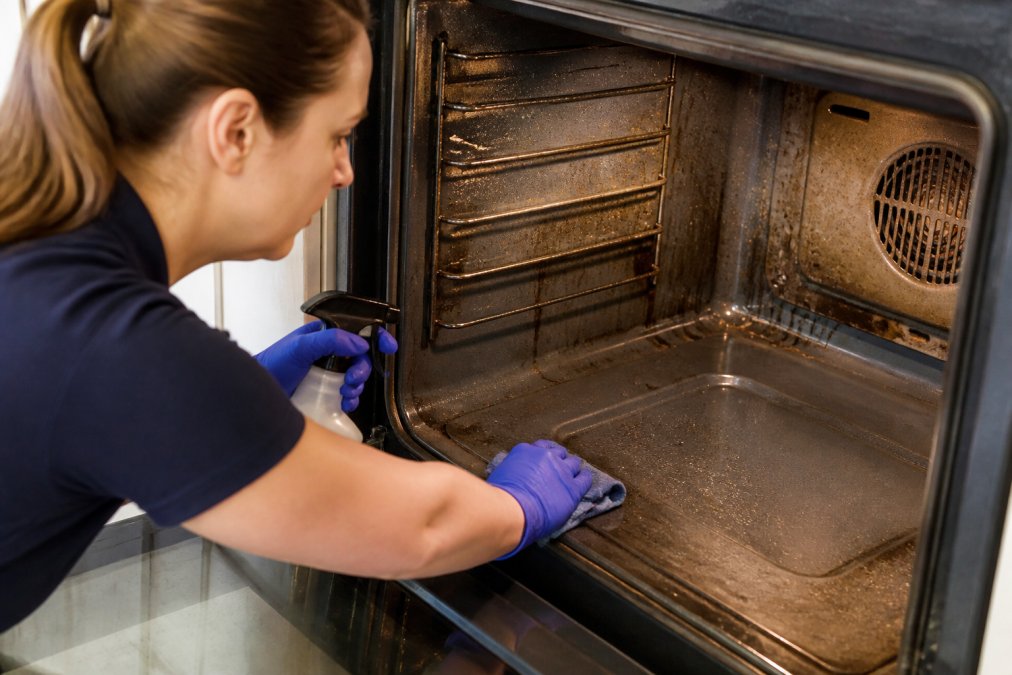
The refrigerator interior should be emptied, shelves removed and washed, and the interior wiped down with sanitizing solution.
Backsplash and Cabinet Exteriors
Backsplash tiles trap grease and food splatter. Deep cleaning means scrubbing each tile, paying special attention to grout lines where grease and bacteria hide. For cabinet exteriors, this means wiping down all surfaces, handles, and the tops of cabinets where dust settles.
Bathroom Deep Cleaning: High-Touch Surfaces and Grout
Bathrooms require intensive sanitization during deep cleaning because moisture and warmth create ideal conditions for mold, mildew, and bacteria.
Shower Tracks and Grout Scrubbing
Shower door tracks collect soap residue, mineral deposits, and mold. Deep cleaning involves scrubbing these tracks with a brush and appropriate cleaner to remove buildup. Grout lines in shower walls and bathroom floors need the same attention, they’re porous and absorb moisture, promoting mildew growth.
Sanitization Standards
Bathrooms are high-touch surfaces zones. Toilet handles, sink faucets, light switches, and door handles need disinfection during deep cleaning. Standard cleaning wipes these, but deep cleaning uses stronger sanitizing solutions to eliminate bacteria and viruses.
How Long Does a Deep Clean Take
Time estimation is crucial for planning. Deep cleaning takes significantly longer than regular maintenance because of the scope and intensity of the work.
Time Estimation by Home Size
A small one-bedroom apartment typically requires 4-6 hours for a thorough deep clean. A standard three-bedroom house usually takes 8-12 hours. Larger homes with four or more bedrooms may require 16-20 hours or more. These estimates assume the home is already in reasonably clean condition, if there’s significant buildup or neglect, add time.
Factors That Affect Duration
Pet hair accumulation, allergies requiring extra attention to air vents and surfaces, and the number of high-touch surfaces all extend deep cleaning time. Homes with hard-to-reach spaces, built-in appliances, or extensive tile work take longer. The condition of the home matters too, homes that haven’t been deep cleaned in over a year require more intensive work.
Deep Cleaning Checklist 2026: Room-by-Room Breakdown
A systematic checklist ensures nothing gets missed. Here’s what should be included in deep cleaning for each space.
| Area | Tasks |
|---|---|
| Kitchen | Appliance interiors, backsplash scrubbing, cabinet tops, degreasing, grout cleaning |
| Bathrooms | Grout scrubbing, shower tracks, high-touch sanitization, exhaust fan cleaning, floor scrubbing |
| Bedrooms | Ceiling fans, baseboards, under beds, closet organization, light fixtures |
| Living Areas | Ceiling corners for cobwebs, window sills, trim cleaning, furniture undersides, air vents |
| Entryways | Door frames, baseboards, light switches, door handles, floor edges |
Living Room and Bedroom Deep Cleaning
Bedrooms and living areas accumulate dust in overlooked spots. Ceiling corners collect cobwebs. Light fixtures gather dust that reduces brightness. The undersides of beds and furniture harbor dust, pet hair, and allergens.
Behind and Under Furniture
Furniture acts as a dust trap. The space behind sofas, dressers, and entertainment centers collects significant dust and debris. Deep cleaning requires moving furniture and vacuuming or mopping these areas. The undersides of chairs and tables also need attention.
Ceilings, Baseboards, and Light Fixtures
Ceiling fans are notorious dust collectors. The blades accumulate dust that circulates when the fan runs. Deep cleaning involves wiping each blade. Light fixtures, including ceiling lights and wall sconces, should be dusted and, where safe, wiped clean.
Tools and Supplies You’ll Need
Proper tools make deep cleaning more efficient and effective. Basic supplies include microfiber cloths, which trap dust better than cotton; a vacuum with attachments for reaching ceiling corners and furniture undersides; a mop and bucket for floor work; and a step ladder for accessing ceiling areas and high shelves.
Health and Allergen Benefits of Deep Cleaning
Deep cleaning directly impacts health, particularly for households with allergies or asthma. Dust accumulation in baseboards, ceiling fans, and air vents contains allergens like dust mites, pet dander, and mold spores. Regular vacuuming and wiping don’t eliminate these accumulations.
Frequently Asked Questions
What should be included in a deep cleaning?
A deep cleaning includes sanitization and degreasing of appliance interiors (oven, refrigerator, dishwasher), grout scrubbing in bathrooms, cleaning behind and under furniture, light fixture dusting, baseboards and trim, shower track scale removal, and high-touch surface disinfecting. It goes beyond spot cleaning to address areas typically missed during regular maintenance cleaning. The specific scope depends on your home’s size and condition.
How is deep cleaning vs. standard cleaning different?
Standard cleaning focuses on vacuuming, mopping, dusting surfaces, and quick bathroom tidying. Deep cleaning includes everything in standard cleaning plus intensive tasks like appliance interior detailing, grout scrubbing, cobweb removal from corners and air vents, baseboards, behind furniture, and high-touch surface sanitization. Deep cleaning tackles residue, scale buildup, and allergen removal that regular maintenance cleaning doesn’t address.
How long does a deep clean take?
A deep clean typically takes longer than standard cleaning, with duration depending on square footage, current condition, pre-cleaning preparation, and the number of appliances needing interior detailing.
Is it worth paying for a deep clean?
Deep cleaning is worth the investment if you have allergies, haven’t cleaned thoroughly in months, are preparing a home for move-in or move-out, or want to extend the life of appliances and surfaces. It removes allergens, sanitizes high-touch surfaces, and handles degreasing that regular cleaning misses. For busy professionals and families, the health benefits and time savings often justify the cost compared to DIY effort.
What areas of the kitchen are prioritized in a deep clean?
Kitchen deep cleaning prioritizes appliance interiors (oven, refrigerator, dishwasher), backsplash degreasing, cabinet exteriors, and countertop residue removal. Light fixtures above the stove, ventilation grilles, and the area behind the refrigerator are also targeted. These areas accumulate grease, dust, and buildup that standard cleaning doesn’t reach, making them critical for thorough sanitization.
What about bathroom deep cleaning, what gets special attention?
Bathroom deep cleaning focuses on grout scrubbing between tiles, shower track scale removal, disinfecting high-touch surfaces (faucets, door handles, light switches), tile and backsplash sanitization, and baseboards. Ventilation and air vents are dusted to remove moisture-related buildup. These tasks address mold prevention and hygiene standards that regular cleaning overlooks.
Do I need professional deep cleaning or can I do it myself?
You can DIY deep cleaning if you have time, the right tools, and eco-friendly products, but professional teams have experience tackling large areas efficiently. Professionals ensure consistent hygiene standards and handle physically demanding tasks like cleaning behind heavy furniture or appliance interiors safely.